


Are you in love with the taste of sheep cheese, but don’t know the health benefits it offers your body? Or maybe you are curious if sheep cheese will help balance your diet. Regardless, we commend your aspirations to live healthy. And choosing sheep cheese is, in fact, one of the ways to do so!
Let’s keep reading to unpack all of the sheep cheese health benefits! Bon appetite!
Sheep Cheese Health Benefits
Ready to dig into all of the ways sheep cheese brings health benefits to your body?
1. Sheep Cheese is High in Protein
With protein being a health craze today, you may be excited to know that an ounce of sheep cheese contains 5-7 grams of protein. We all need protein to live healthy, full lives. Protein supports an excellent immune system, manages weight, repairs and grows muscle and keeps blood sugar levels in check.
2. Sheep Cheese Contains Amino Acids
On top of protein, sheep cheese provides your body with amino acids. As a trend, amino acids break down food, give you energy, support your immune system, aid in breaking down food, and so much more.
3. Sheep Cheese is Rich in Calcium
Sheep cheese is a good source of calcium. You already know that calcium is important for supporting strong bones, but did you know that calcium assists your body in clotting your blood so that you don’t bleed out when you have a minor cut? Or did you know that calcium helps your muscles move and perform properly?
4. Sheep Cheese is a Good Source of Vitamin A
Because sheep cheese offers your body vitamin A, you are given many health benefits. Vitamin A helps to manage clear skin, supports your reproductive health, and helps maintain your immune system. For more information on the health benefits of vitamin A, check out this article.
5. Sheep Cheese Includes Vitamin E
Additionally, sheep cheese contains vitamin E, offering a lower risk for cancer, creating skin that is brighter and bolder, supporting your immune system, and more.
6. Sheep Cheese is Naturally High in Vitamin D
With vitamin D in sheep cheese, you’re actively supporting your cognitive health with each bite. Not only is that the case, but vitamin D also protects your body from developing different diseases such as multiple sclerosis, osteoporosis, psoriasis, and rickets.
7. Sheep Cheese is an Excellent Source of Vitamin B12
And we are on to the last vitamin that sheep cheese offers your body: vitamin B12. This is important for your overall health since vitamin B12 creates and maintains healthy nerve cells and red blood cells. In addition, DNA is made by B12 – incredible, right?!
8. Sheep Cheese Provides Folate
When you choose to eat sheep cheese, you also choose folate, which is an amazing decision. Folate helps your body considerably by bringing beneficial cell growth and function, including red blood cells. For pregnant women, folate is essential to protect their unborn babies from developing brain and spine defects.
- Sheep Cheese is High in Conjugated Linoleic Acid (CLA)
Conjugated Linoleic Acid, also known as CLA, is beneficial to the body because it can support weight management. Healthy weight lowers the risk of many different diseases and increases the chances of a long life. Read the following section for some clarifying points to this.
9. Sheep Cheese is High in Conjugated Linoleic Acid (CLA)
Conjugated Linoleic Acid, also known as CLA, is beneficial to the body because it can support weight management. Healthy weight lowers the risk of many different diseases and increases the chances of a long life. Read the following section for some clarifying points to this.

Sheep Cheese Health Benefits For Weight Loss
Overall, sheep cheese is not a magic pill that – boom! – makes you lose weight, unfortunately. The main health benefit of eating sheep cheese, while concerned about weight loss, is that it provides protein, even when taken in small portions of one ounce.
Because sheep cheese has a high concentration of fat in one serving, consumers must be mindful to keep their sheep cheese intake low, focusing on one-ounce servings or less.

Sheep Milk Cheese Types
Now that you know all the health benefits that sheep cheese can offer you and your folks, it’s time to unpack the different types of sheep cheese we offer. Here at Swiss Villa, each kind of sheep cheese we sell is made from sheep milk farmed on small, Amish farms scattered across Pennsylvania. Each farm uses organic farming practices, ensuring that all sheep cheese is soy-free, GMO-free, and chemical-free.
For a quick sneakpeek, look at our graph and then scroll down for more in-depth information.
| Sheep Cheese Type | Cheese Product | Characteristics |
| Aged Cheese | Sharp Cheddar Sheep CheeseGouda Sheep CheeseSmoked Cheddar CheeseCheddar Cheese | FirmHigh proteinHigh calciumAged 60 daysLow lactose contentGrass-fed milkRawOrganically farmed 100% Animal rennet |
| Semi-Soft Cheese | Feta Cheese | Tangy flavorLower lactose contentAged 60 daysGrass-fed milkRawOrganically farmed 100% Animal rennet |
Aged Cheeses
When it comes to sheep milk cheeses, some are aged for long periods, giving them a firmer texture. Here at Swiss Villa, we offer several kinds of sheep cheese all aged for 60 days. Our Sharp Cheddar Sheep Cheese is made from 100% animal rennet and raw milk, offering a rich flavor in every bite.
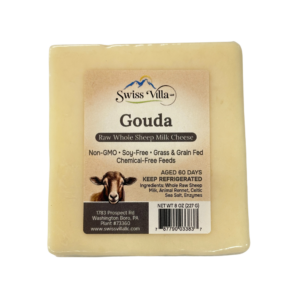
Rich in CLA and raw enzymes, our Gouda Sheep Cheese is also made from raw milk and 100% animal rennet. Paired with apples or a drizzle of honey, this sheep cheese is wonderful in both savory and sweet combinations.
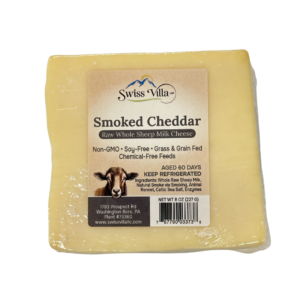
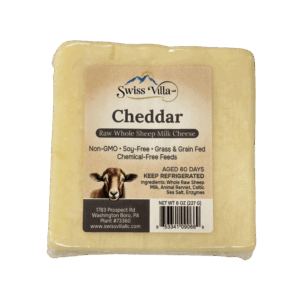
Packed with vitamins and minerals, our Smoked Cheddar Cheese and plain Cheddar Cheese not only give many health benefits for your body, but might be a kind you keep circling back to, time and again. And like our other sheep cheese options, it is also made with animal rennet and raw sheep milk.
Another example of aged cheese is Manchego, which originates from sheep in Spain. Additionally, Pecorino Romano, an Italian cheese, is a popular aged cheese with a firmer texture, used for shredding over dishes or as slices on the side.
Overall, aged sheep milk cheeses are high in protein and calcium, while also low in lactose, making them a nutritious snack for those with dairy sensitivities.
Semi-Soft Cheese
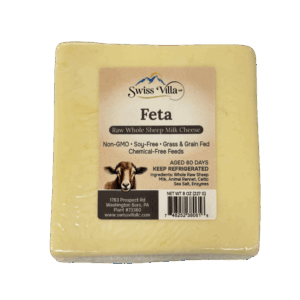
Do you ever crave a soft cheese to sprinkle over a salad or Mediterranean bowl? We do. And that’s why we offer feta cheese made from grass-fed sheep milk on small farms that use organic practices. And like our other sheep cheese, our feta is aged for 60 days. Feta cheese is acceptable for a keto diet, giving you meal prep inspiration.
Semi-soft sheep cheese, like feta cheese, provides a tangy flavor with lower amounts of lactose.
Frequently Asked Questions
Is Sheep Cheese Better Than Cow Cheese?
Yes, in many ways, sheep cheese is better than cow cheese. For starters, sheep cheese provides more protein than cow cheese, making it an excellent addition to a diet that focuses on protein intake.
Secondly, sheep cheese is easier to digest than cow cheese because of the A2 proteins found in sheep milk. Additionally, people who have lactose sensitivities may be able to enjoy and eat sheep cheese! The A1 proteins found in cow cheese make it harder to digest for those who have lactose intolerance or sensitivities.
Is Sheep Cheese Bad For Cholesterol?
The answer is nuanced. There are some cheese types, like feta cheese, that do not dramatically influence cholesterol levels. However, it is important to note that, as a general rule, intake of cheese and other dairy products should be limited for those struggling with cholesterol levels.
Overall, there is no research available to suggest that sheep cheese is bad for cholesterol. On the flip side, a clinical trial was conducted by European Journal of Clinical Nutrition in which they had participants ingest cow dairy products for three weeks and then switch to all sheep dairy products for the following three weeks.
They found that there was a 6% decrease in plasma total cholesterol in participants when they replaced dairy from cow milk with dairy from sheep milk. This may not seem very significant, but it does show that sheep cheese is at least slightly better than cow cheese when it comes to plasma cholesterol levels in a diet of high concentrations of dairy fat. It is important to note that they did not find any changes in the ratio of LDL (cholesterol that can lead to heart disease, etc) to HDL (good cholesterol which helps to lower your risk for heart disease).
Does Sheep Milk Have Lactose?
Yes, there is lactose in sheep cheese, but the amount of lactose is significantly less than what is found in regular cow cheese. If you are interested in more information, we’ve written an entire article explaining the lactose content of sheep milk (which, of course, is used to make sheep cheese).

Conclusion
Sheep cheese is a good source of each of the following:
- Protein
- Amino acids
- Calcium
- Vitamin A
- Vitamin E
- Vitamin D
- Vitamin B12
- Folate
- CLA
Now, would you agree it’s time to add sheep cheese to your table, fridge, and stomach? We hope so!