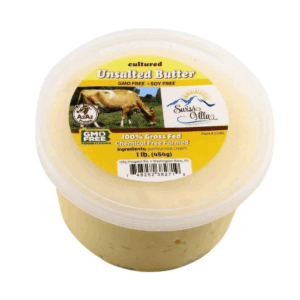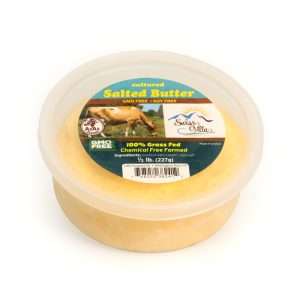


Have you seen cultured butter in the grocery store or on your Facebook feed and wondered, is cultured butter healthier? That’s an important question, one that we feel is worthy of unpacking in this blog.
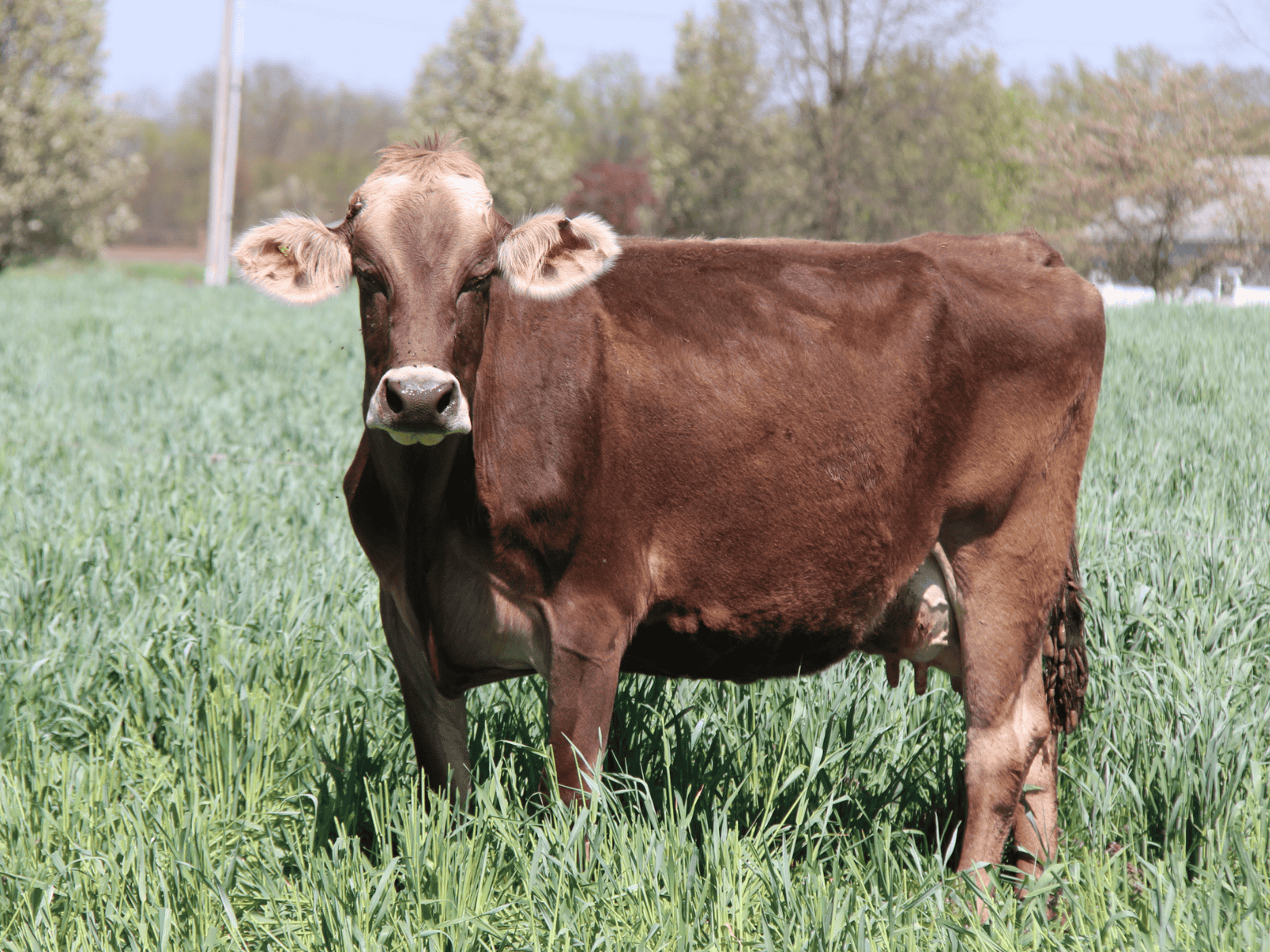
Here at Swiss Villa, we prioritize health and offer cultured butter made from 100% grass-fed A2/A2 milk, giving your body the nutrition and flavor that you crave.
Is Cultured Butter Healthier?
Yes, cultured butter is shown to be healthier than regular butter. Cultured butter has higher amounts of probiotics, vitamin A, vitamin K₂, butyrate, CLA and more. Keep reading as we unpack what these health benefits mean for your daily life and overall health.

Cultured Butter Health Benefits
Did you know that cultured butter is packed with health benefits, potentially making it easier for you to maintain a healthy lifestyle? That’s right. Here is a list of the health benefits that cultured butter offers:
Vitamin A
Fermented foods show higher numbers of Vitamin A, and since cultured butter is a fermented food, it has a higher vitamin A content. Some studies show that vitamin A can decrease the risk of diarrhea, cataracts, measles and breast cancer. Additionally, vitamin A helps to create optimal eye and skin health.
Conjugated Linoleic Acids (CLA)
Conjugated linoleic acids, also known as CLA, are found in cultured butter. Since CLA is an antioxidant, it has properties that may be beneficial for fighting cancer. For example, some studies revealed that women who were receiving a diet full of CLA had a greater chance of not developing breast and colorectal cancer.
Butyrate
Another health benefit of cultured butter is the presence of butyrate. Research has found that butyrate reduces inflammation in the body. If you experience gastrointestinal issues, butyrate is considered one of the solutions to this problem since it supports the gut barrier and creates a healthy environment by protecting your blood from unhelpful bacteria.
It must be noted that although butyrate is found in cultured butter and can have tremendous positive benefits for your health, you cannot rely on cultured butter alone for your intake of butyrate.
Vitamin K₂
Compared to regular butter, vitamin K₂ is present in higher amounts due to fermentation. Vitamin K₂ helps with normal blood clotting and increases bone strength.
Probiotics
If you are looking for probiotics, switch over to cultured butter! Because it is fermented, cultured butter is loaded with probiotics, which improves gut health and function.
Higher levels of Omega-3
Cultured butter has higher levels of omega-3 compared to regular butter, potentially decreasing inflammation in the body.
Vitamin D
When it comes to immune and bone health, vitamin D is vital. In addition, vitamin D helps the muscles in our body work efficiently and boosts cell function.
Vitamin E
Vitamin E helps sustain the body’s immune system and helps protect against free radicals, which can be particularly harmful when it comes to skin health, and increase the risk of developing cancer and Alzheimer’s. Vitamin E also helps prevent blood clots and fights inflammation.
How To Make Cultured Butter
Wondering how cultured butter is made, or considering dabbling in the process yourself? Here are 5 outlined steps for making cultured butter:
What Does Cultured Butter Taste Like?
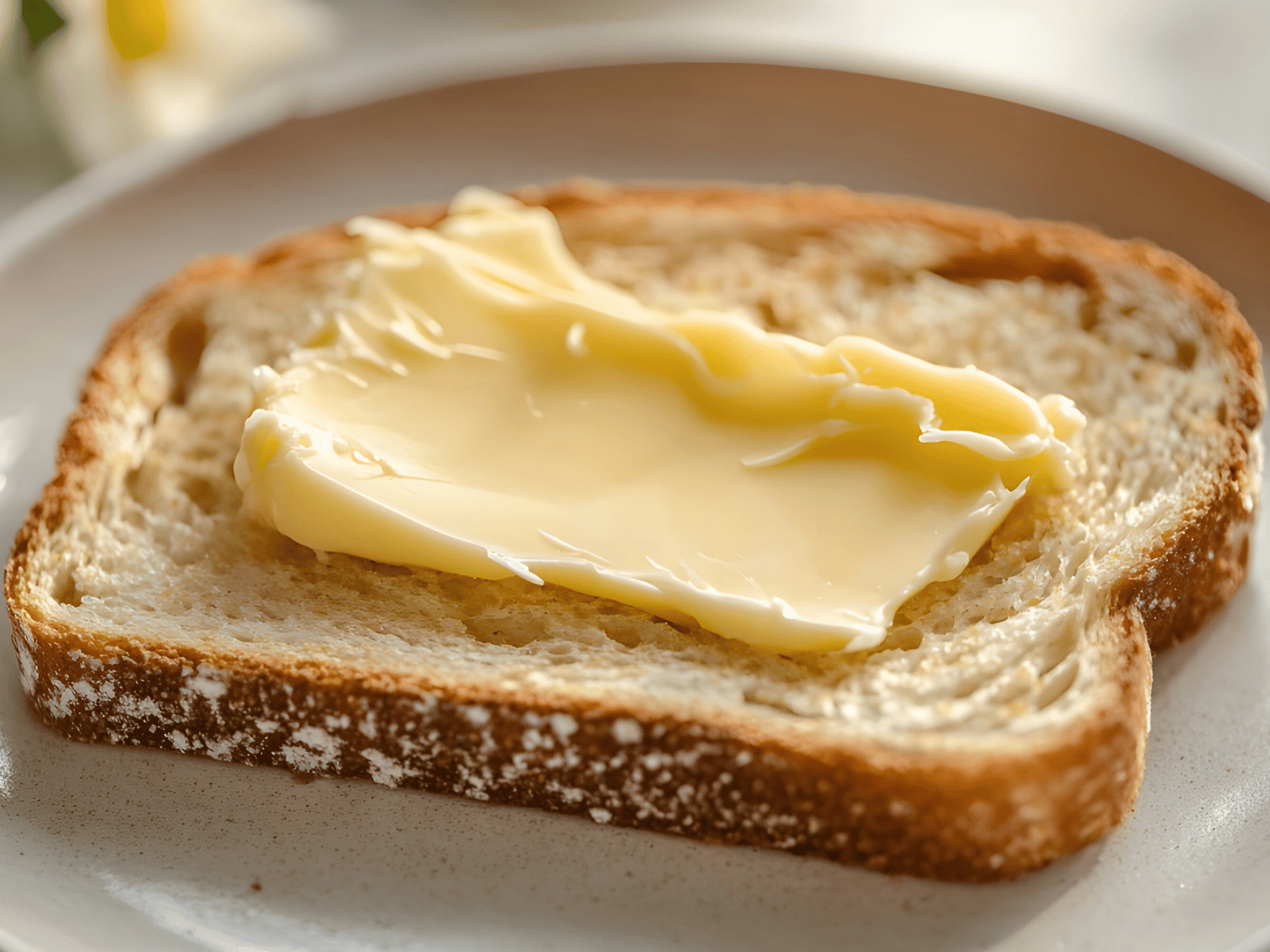
Cultured butter offers a tangy, somewhat sour taste. Some say it tastes similar to sour cream or crème fraîche. With a creamy consistency, cultured butter makes a delicious spread for sourdough bread or toast. Because of the cultures, cultured butter has an overall more pronounced flavor than traditional butter, making it a noticeable and desirable eating experience.
Cultured Butter vs. Regular Butter
Need a visual? Check out the Table below outlining the differences between regular butter and cultured butter.
| Regular Butter | Cultured Butter | |
| How They Are Made | Milk is collected and pasteurized; milk and cream are separated; butter is washed | Milk is collected and pasteurized; milk and cream are separated; cream is fermented; butter is washed |
| Flavor | Mild | Tangy, rich |
| Texture | Smooth | Smoother |
| Nutrition | Contains vitamins A, E, K₂, and D | Higher levels of probiotics, omega-3, vitamins A & K₂; also includes vitamin E & D |
| Gut Health | Helps support a healthy microbiome | With probiotics present, it enhances digestion even more |
| Shelf Life | Up to 7 days on the counter | Up to 14 days on the counter |
| Culinary Uses | Adaptable for most recipes | Not as adaptable for all recipes due to its tangy flavor |
| Cost | $ | $$ |
| Availability | At every grocery store | Harder to find; look at farmer’s markets, specialty stores, online |
How They Are Made
Regular butter is made using a few simple steps. First, milk is collected and pasteurized to remove any pathogens or unhealthy bacteria. Then the cream is separated from the milk and churned into butter. Next, the butter is washed to remove any remaining buttermilk.
Cultured butter is made in almost the same way: collect and pasteurize the milk, separate the milk from the cream. But here’s where it varies. At this point, the cream is allowed to ferment using specific strains of bacteria. This process is generally 12-24 hours. Once this has been achieved, the butter is churned and washed to separate it from any leftover buttermilk.
Flavor
Regular butter has that mildly rich clean dairy taste. The flavor of cultured butter has a slightly tangy rich flavor.
Texture
In high-quality cultured butters the texture is smoother and easier to spread due to the fermentation process breaking down milk globules, making it more satisfying to spread on crackers, bread, or dough.
Nutrition
Due to the fermentation process that cultured butter undergoes, it has a higher nutritional value compared to regular butter. For example, there are higher amounts of Vitamins A and K₂, more probiotics, and higher levels of omega-3 fatty acids.
Gut Health
When it comes to gut health, cultured butter offers an option for people who are especially sensitive to lactose. The butyrate found in cultured butter may help provide better gut health for people compared with regular butter. Additionally, because cultured butter includes probiotics, it has healthy bacteria that support gut health.
While regular butter is generally tolerated by more people due to its low lactose content, cultured butter is better for gut health overall.
Shelf Life
You want your butter to be soft and spreadable, so you leave it in an airtight container on the counter. This way, when you make toast the next day, you can lather some buttery goodness all over it. Regular butter will be stable on the counter for about 7 days. However, if you are introducing cultured butter to your food palate, you can leave it out for about 14 days. The fermentation process of cultured butter gives it many beneficial bacteria, which help to fight off spoilage and mildew. Make sure you check for signs of spoilage, like foul smells or slimy textures.
For longer life extension of either your cultured butter or regular butter, you can freeze it, ensuring it stays fresh and safe for a longer period of time. Before you throw it in the freezer, be sure to wrap it tightly to ensure they stay airtight.
Culinary Uses
When it comes to culinary uses and baking, regular butter is the all-around choice since it has a mild, sweet flavor that complements recipes such as cinnamon rolls or sugar cookies. It doesn’t overpower the other flavors in a dish, making it a low-key baking ingredient. In the same thread, it’s a great solution for sauteing vegetables since it won’t distract from the powerful flavor of onions or the sweet addition of potatoes.
Cultured butter can be added to your toasted sourdough bread or bagel since its tangy, somewhat-sour flavor pairs well with bread. Additionally, if you are having a charcuterie board, cultured butter slathered on some crackers with jam makes a well-balanced treat of salty, sweet, and tangy. Of course, you can use cultured butter in any recipe you want, just keep in mind that it does have a stronger flavor than regular butter, if that’s important to you.
Cost
Cultured butter can be inaccessible for people who are on a tight budget, since it is generally more expensive than regular butter. This is because cultured butter is more labor-intensive and must be made in smaller batches compared to regular butter.
Availability
Overall, regular butter is easier to find in grocery stores across the country since it is generally mass-produced. On the flip side, cultured butter can be difficult to access since it is usually produced in smaller batches and sold at specialty stores or health food stores. Check your local town for European stores or health-conscious stores to see if cultured butter is available there. Is there a farmer’s market in your area? Sometimes you can find cultured butter from a trusted local vendor. Or, some businesses, like Swiss Villa, ship cultured butter to your door if you don’t have access to stores in your area.

Is Cultured Butter Good for the Gut?
Yes, cultured butter is good for the gut. To make cultured butter, cream is first fermented, and helpful probiotics are formed, which in turn makes cultured butter a good source of gut support by reducing inflammation and aiding the digestion process. In addition, cultured butter includes butyrate, which is a short-chain fatty acid that supports the health of your gut.
What Is the Point of Cultured Butter?
The point of cultured butter lies in its essential vitamins, antioxidants, and probiotics. Because cultured butter is essentially made from fermented dairy products, it is full of probiotics, which support gut health and reduce GI symptoms. Vitamins such as vitamin A and vitamin D are present in cultured butter, giving your body extra support for skin, bone, and eye health.
In addition to all of the health benefits that cultured butter offers, every bite of cultured butter provides a unique and delicious flavor that makes you want to come back for more.
When cultured butter is made from A2/A2 milk, it also gives individuals easier digestion, especially for those with slight dairy sensitivities.
Is Cultured Butter Anti-Inflammatory?
Traditionally, cultured butter is not anti-inflammatory, but cultured butter that is made from grass-fed milk has anti-inflammatory properties because it contains high amounts of conjugated linoleic acid (CLA). Some studies have shown that CLA can reduce the C-reactive protein, which can cause inflammation in people.
In addition, grass-fed cultured butter contains a higher amount of omega-3 fatty acids. They reduce inflammation by balancing out the pro-inflammatory properties found in their counterpart: omega-6 fatty acids. Additionally, omega-3 fatty acids reduce the level of CRPs, which begin to trigger inflammation in people.
Based on research, the omega-3 fatty acids found in grass-fed cultured butter may also help the elderly or those with autoimmune disorders reduce inflammation in their bodies.
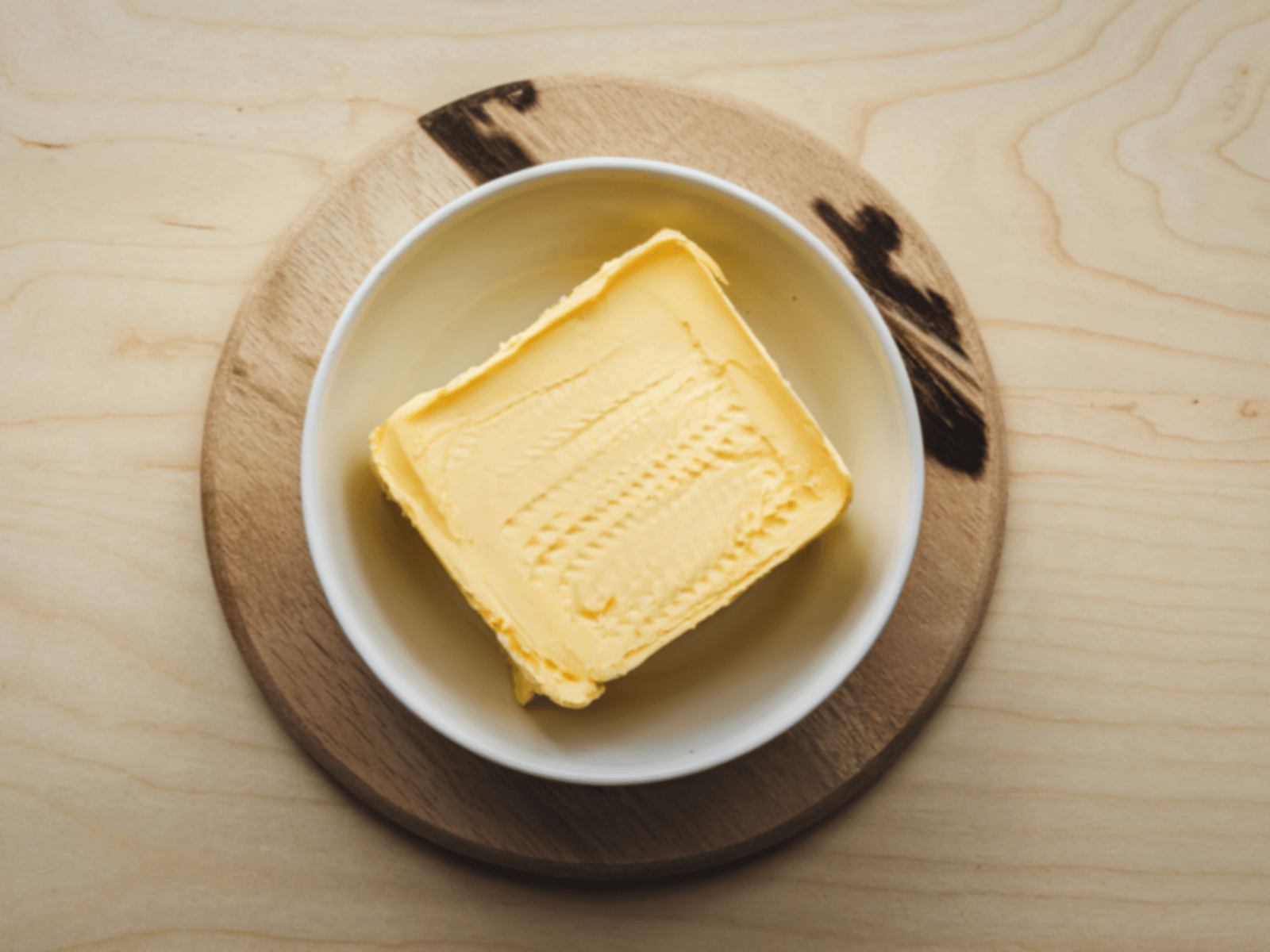
Cultured Butter: Good Ingredient for Cooking and Baking
Are you committed to the health benefits of cultured butter, but are unsure how to incorporate it into your everyday cooking and baking? We get that. Before you throw away your apron, keep reading our ideas for cooking and baking with cultured butter.
Baking
Cooking
FAQ
Can I Eat Cultured Butter If I’m Lactose Intolerant?
If you are lactose intolerant, you can most likely eat cultured butter in small amounts. There is less than one gram of lactose per tablespoon of butter, making it an option that will be safe for lactose-intolerant people. However, everyone reacts differently to lactose, so take extra care the first time if you don’t eat butter regularly.
Should You Refrigerate Cultured Butter?
Yes, if you do not go through your cultured butter quickly, you should refrigerate it. You can leave cultured butter in an airtight container on the counter for short periods of time (7-14 days) to keep it soft and spreadable for bread and food in general. If it is set out for longer periods of time, cultured butter may start to spoil and get moldy.
Conclusion
Hopefully by now you can confidently answer the question: Is cultured butter healthier? As a recap:
If you are finished reading this blog post and realize that you’d love to give cultured butter a chance, we’re thrilled to offer cultured butter made from 100% A2/A2 milk. A2/A2 milk gives your digestive health an even extra boost, making this a great decision for folks who are struggling with dairy sensitivities. Because we offer cultured butter in both salted and unsalted containers, whether you are watching your sodium consumption or need salted butter for a certain recipe, consider us your one-stop butter shop. 🙂
At Swiss Villa, we proudly source all of our cultured butter from small, family-run, Amish farms spanning across Pennsylvania, ensuring that you get the highest quality product.