

1. Raw Goat Cheese Isn’t Actually “Uncooked
The word “raw” might make you think the milk never gets heated, but that’s not quite how cheesemaking works. “Raw” means that the milk has not been pasteurized.
When we make our raw goat cheese, we warm the milk to 90°F to begin the culturing process. We then gradually increase the temperature until it reaches 102°F.
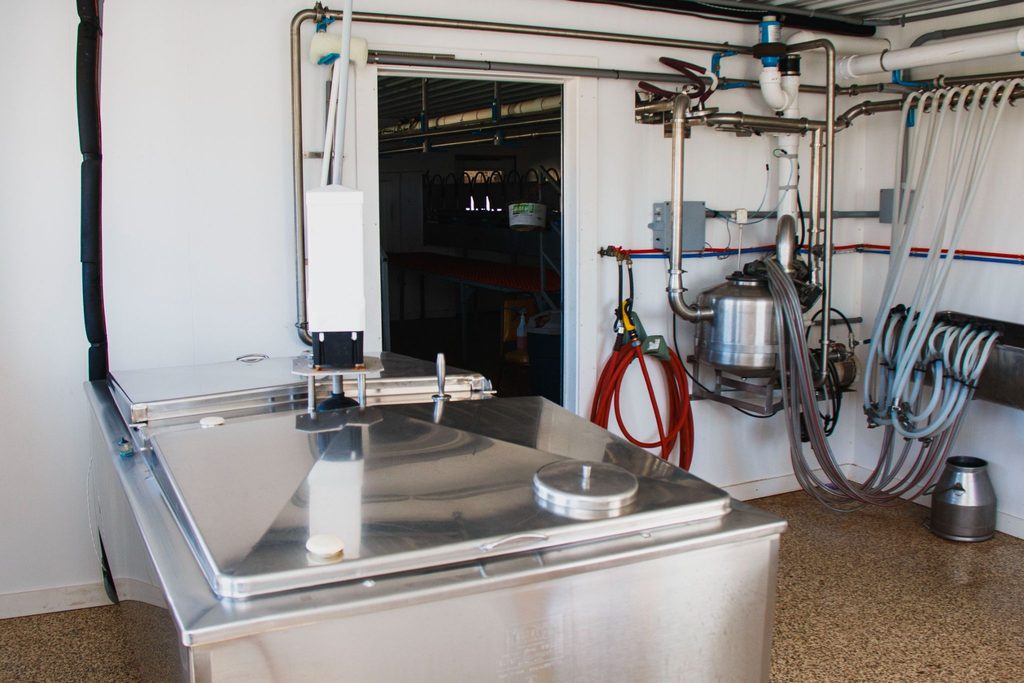
That’s considerably different from pasteurization, which uses higher temperatures to reduce the risk of harmful microorganisms in milk. Because raw goat cheese is made without pasteurizing the milk, cheesemakers must follow important food-safety practices throughout the process.
Comparisons between pasteurized and raw goat cheese include:
| Raw Goat Cheese | Pasteurized Goat Cheese |
| Made with unpasteurized milk | Made with pasteurized milk |
| Earthy & complex flavor | Milder & more consistent flavor |
| Must follow strict food-safety measures | Pasteurization reduces microbial risks |
| Higher concern of pathogens | Pasteurization reduces the concern of pathogens |
| Not advised for pregnant women according to CDC | Considered safe for pregnant women |
2. An Ounce of Goat Cheese Packs About 6 Grams of Protein
There’s more to goat cheese than its distinctive flavor. It also provides important nutrients, including protein and calcium.
A one-ounce serving of goat cheese contains about 6 grams of protein. Goat cheese also provides calcium, an important mineral for maintaining healthy bones and teeth.
That makes goat cheese an easy way to add both flavor and nutrition to a meal, whether you enjoy it with fruit and crackers, add it to a salad, or use it in your favorite recipe.
3. Goat Milk Naturally Contains A2 Beta-Casein
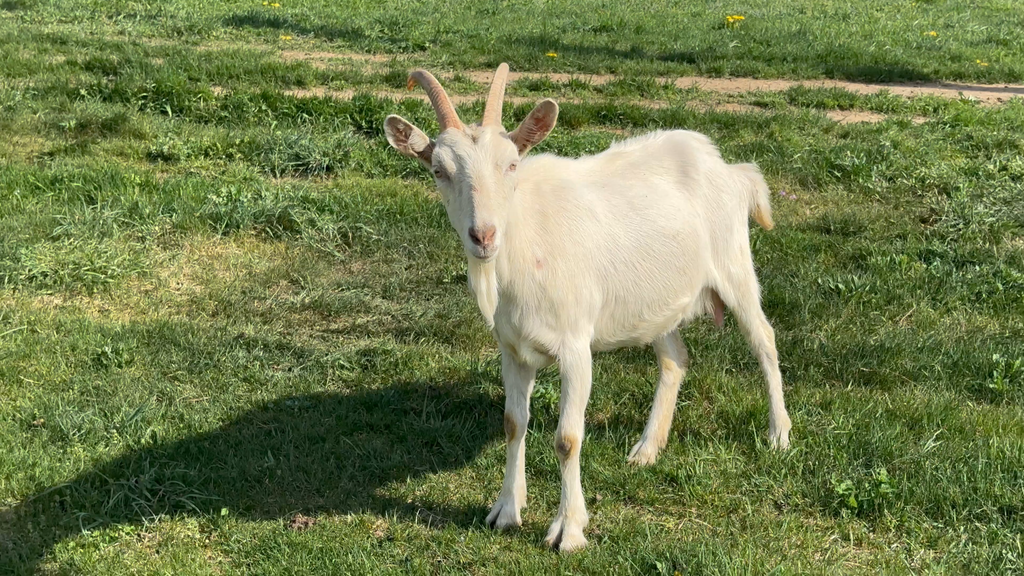
Cow milk and goat milk may look similar, but their protein profiles aren’t exactly the same. Goat milk naturally contains A2 beta-casein, while conventional cow milk can contain both A1 and A2 beta-casein.
This difference is one reason some people seek out goat milk products as an alternative to conventional cow milk dairy. Because goat milk naturally contains the A2 beta-casein protein rather than A1 beta-casein, some people find goat milk dairy easier to digest than conventional cow milk dairy. Goat milk still contains lactose and milk proteins, however, so it isn’t considered suitable for people with a milk allergy and shouldn’t be considered lactose-free.
4. It Takes About 10 Pounds of Milk to Make One Pound of Cheese
Cheesemaking requires quite a bit more milk than you might expect. If we start with 10 pounds of goat milk, we’ll end up with roughly one pound of cheese. That’s about a 10% yield.
So what happens to everything else? Much of the remaining liquid is whey. At Swiss Villa, even that doesn’t go to waste. After draining the whey from our curds, we use it to fertilize soil on local farms.
5. Raw Goat Cheese Is Aged for 60 Days
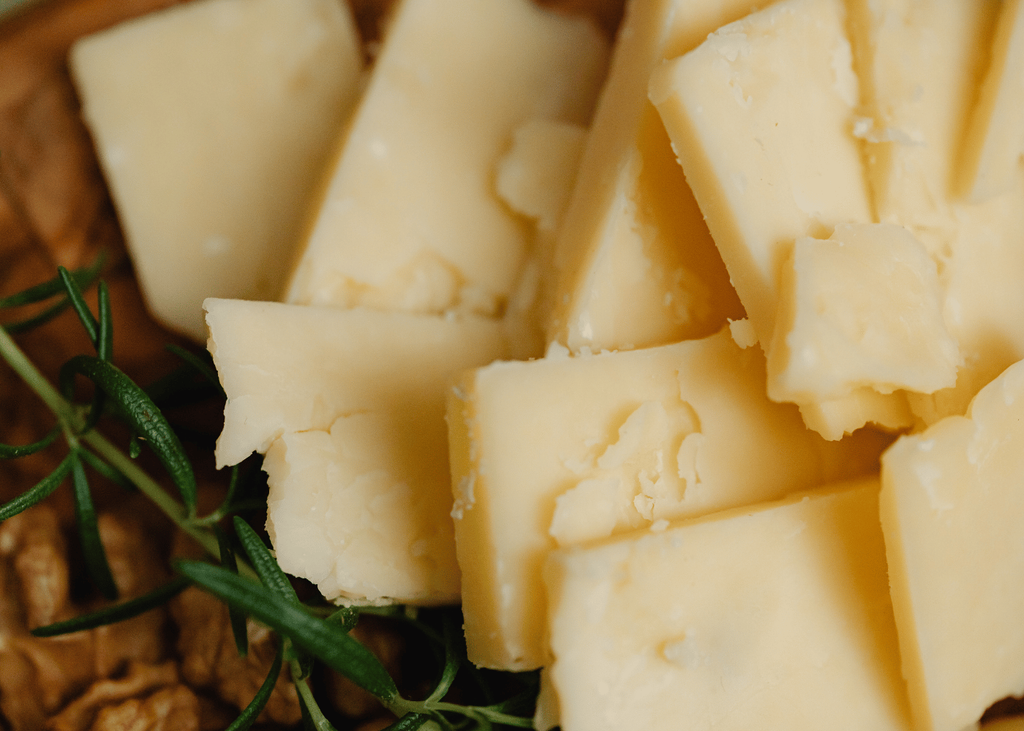
Making our raw goat cheese isn’t a quick process. After the curds have been formed, drained, and cheddared, we age each batch for at least 60 days at temperatures above 35°F.
Only then is the cheese cut, packaged, and shipped to our customers. This aging period is an important part of producing our raw-milk cheese and meeting the food-safety requirements that apply to the cheeses we produce.
6. Goat Cheese Isn’t Just Soft, Crumbly Chèvre
When people hear “goat cheese,” they might picture soft, crumbly chèvre. But goat milk can be used to make many of the familiar cheese varieties you already know and love—including cheddar, Gouda, Havarti, Baby Swiss, feta, Pepper Jack, and more.
At Swiss Villa, we make 12 varieties of raw goat cheese, so there’s plenty to explore beyond traditional chèvre.
<<SHOP BUTTON to raw goat cheese>>
Frequently Asked Questions About Raw Goat Cheese
Is Raw Goat Cheese Safe to Eat?
Yes. Raw goat cheese is safe to eat.
However, pregnant women are recommended by the CDC to not eat raw goat cheese since they are more susceptible to foodborne infections compared with the general population.
Does Raw Goat Cheese Need to Be Cooked?
No, raw goat cheese does not need to be cooked before it is eaten. It certainly can be used in a baked dish if you want. But rest assured, raw goat cheese can be eaten sliced as is or paired in so many different ways, including:
- With fruits and vegetables
- On pita bread
- In between crackers
- With dates or craisins
- With salami or other meat
- You decide!
How Can I Eat Raw Goat Cheese?
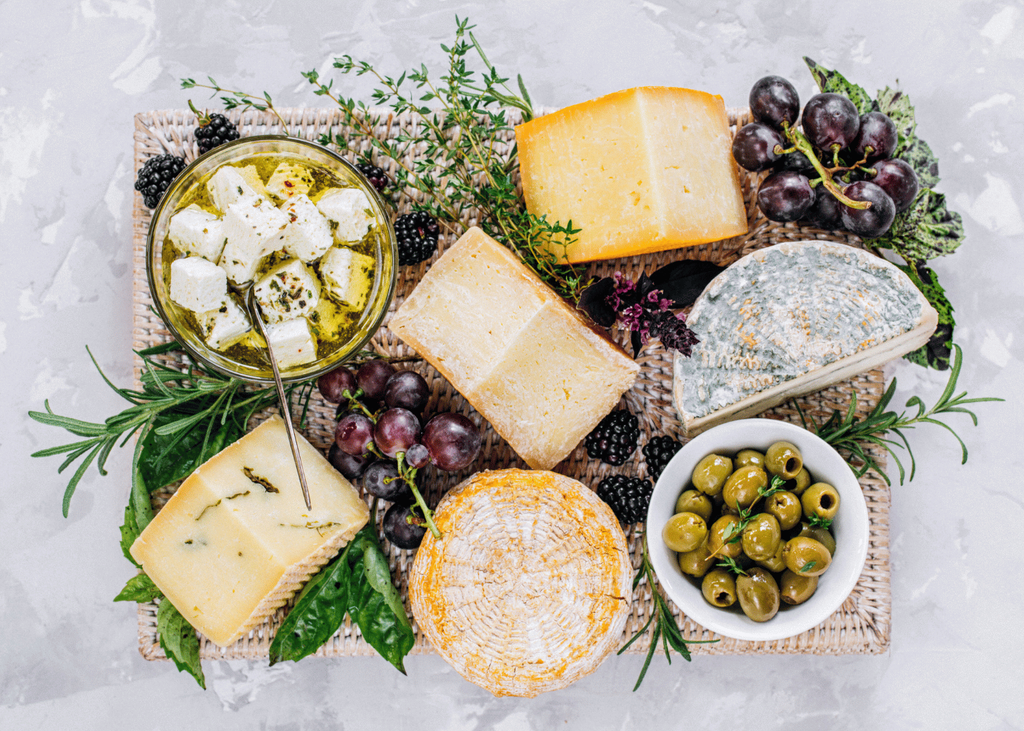
Maybe you want to eat more raw goat cheese but need inspiration for how you can enjoy it. Below are different ways to add raw goat cheese to your diet that are easy and delectable.
| Simple Pairings: | Savory Pairings: |
| HoneyBlackberriesBlueberriesGrapesPearsCherriesStrawberriesNutsFresh herbsSourdoughCrackersFig preserves | BasilTomatoesMushroomsRed peppersPickled onionsOlivesCaramelized onionsRoasted vegetablesCarrotsGarlicArugulaSpinach |
How Long Does Raw Goat Cheese Last?
Generally speaking, raw goat cheese lasts about one-two months after it has been purchased. Our raw goat cheese will age with time.
*Note: some flavors of raw goat cheese age better than others.
Some companies will have an expiration date on their raw goat cheese. Pay attention to that and consume by that date.
According to the FDA, cheese must be refrigerated at a temperature of 40°F or below. Keep your raw goat cheese wrapped tightly or in an airtight container to maintain freshness and avoid cross-contamination with other foods in the fridge.
If you are unsure that your raw goat cheese is still good to eat, check for the following:
- Unusual mold
- Bad odor
- Sliminess
- Unexpected discoloration
- Changes in texture
- Swelling in the package
If any of these factors are present or you are unsure if it is still good, we recommend discarding the package of raw goat cheese.
Can I Eat Raw Goat Cheese While Pregnant?
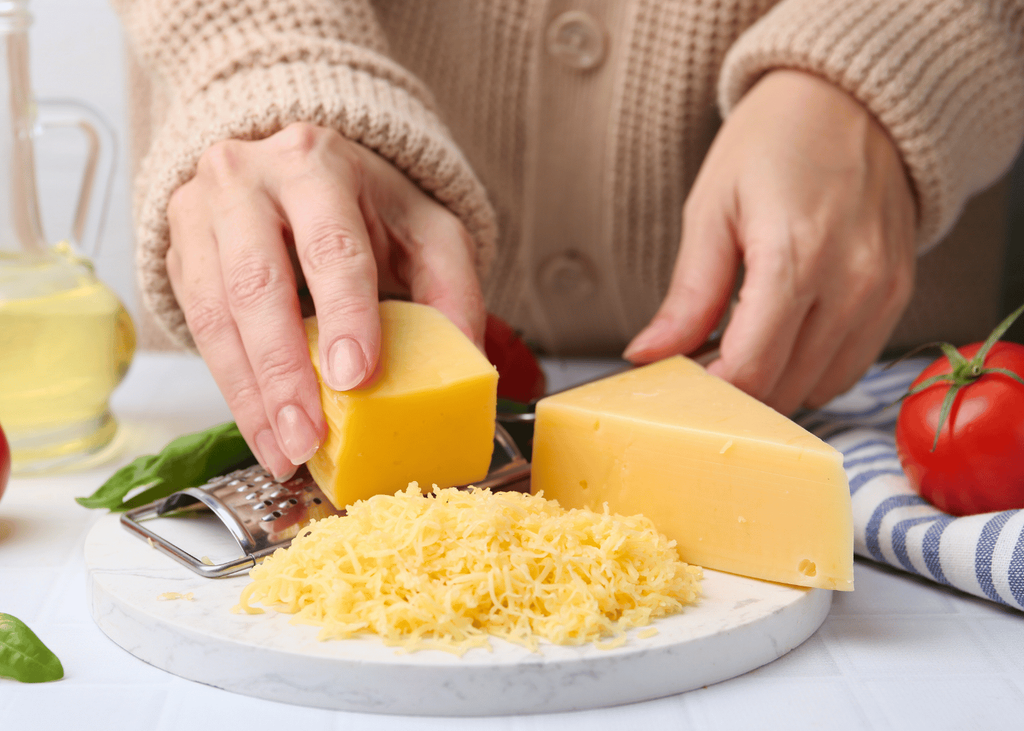
It has been said that pregnant women have a higher susceptibility to foodborne illnesses. The CDC recommends that pregnant women only eat cheese that is pasteurized, hard and aged to protect their immune systems.
If you accidentally consumed raw goat cheese while pregnant, simply pay attention to symptoms. We suggest you contact your doctor or midwife, explain the situation, and then follow their advice, especially if you are experiencing concerning symptoms.
A Few Things You Might Not Know About Swiss Villa Goat Cheese
Our Goat Cheese Started With Extra Milk
Swiss Villa first began as a company producing and selling milk – sheep milk and cow milk, specifically.
As the years rolled on, we decided that cheese would be an excellent way to balance the extra milk production coming from our local, small, family farms. And we didn’t want to stop at cow and sheep cheese. Goats became a new business and passionate endeavor. First, goat milk and then raw goat cheese hit our shelves and were shipped throughout Pennsylvania.
Demand for Goat Cheese Led to Dedicated Goat Herds
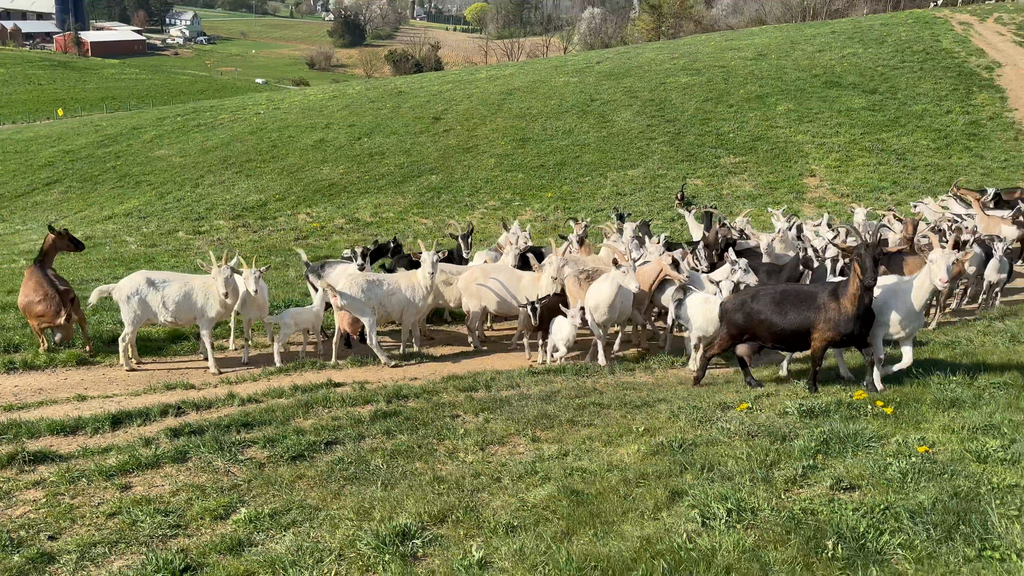
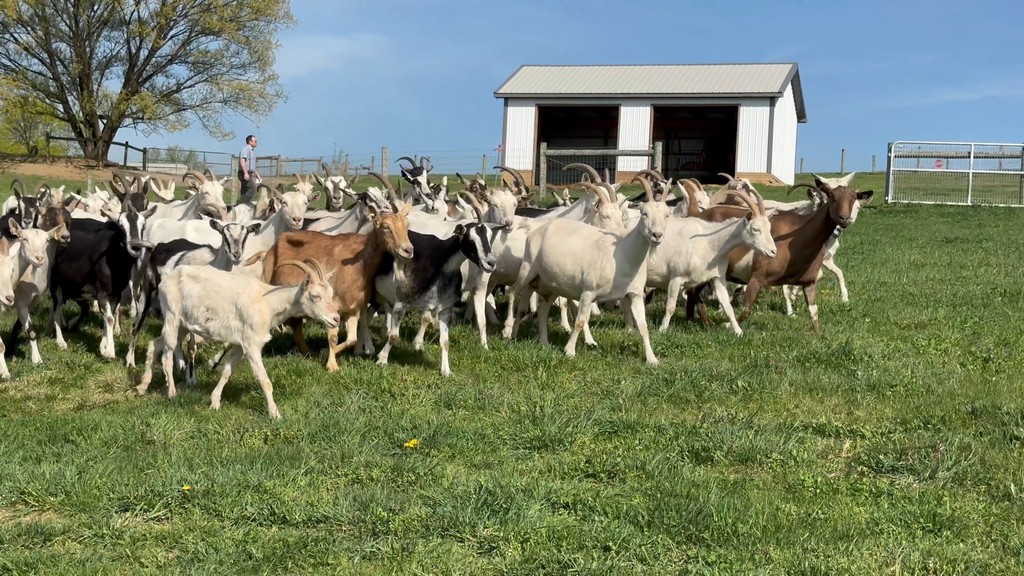
Raw goat cheese sales took off, and now we have specific goat herds used primarily for raw goat cheese production. Not only is our cheese raw, it is also 100% grass-fed.
Our Goats Are Raised on Small Lancaster County Farms
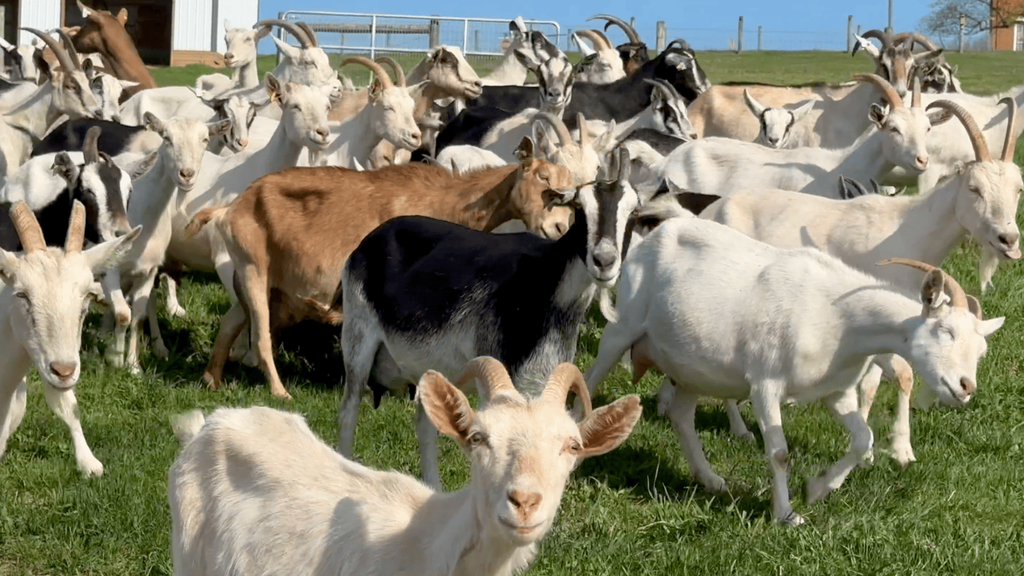
Here at Swiss Villa, we value the health of our animals, products, and customers. All of this manifests in what our goats consume: a diet of grass/natural foraging and non-GMO, soy-free feed. All of our goats have a happy, quiet life on small, Amish farms scattered throughout Lancaster County, Pennsylvania.
We Follow Sustainable Farming Practices
At Swiss Villa, we not only care about our animals and dairy products, but also about the land. We use excess whey from our raw goat cheesemaking process to fertilize the soil, avoiding unnecessary waste. This is just one of our many sustainability practices.
Try Raw Goat Cheese for Yourself
From the way it’s made and aged to the many different varieties you can enjoy, there’s a lot more to raw goat cheese than you might expect.
At Swiss Villa, our raw goat cheese starts with milk from goats raised on small Lancaster County farms and is carefully made and aged before it reaches your table. Whether you already enjoy goat cheese or you’re curious to try it for the first time, explore our varieties of raw goat cheese and find a new favorite to have shipped directly to your home.