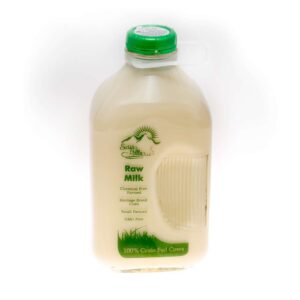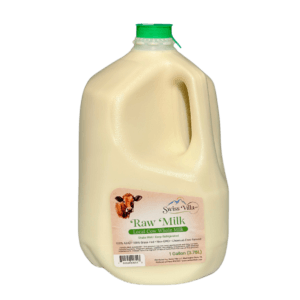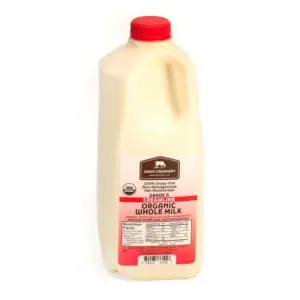


What makes grass-fed milk different from regular milk? Is it really worth the extra cost? What’s the big deal with grass-fed milk and why has it been gaining popularity in recent years? In this blog, we’ll explore these questions and more. We’ll compare grass-fed milk with regular milk, look at nutrition facts and also recommend grass-fed milk brands to look for.
What is 100% Grass-Fed Milk?
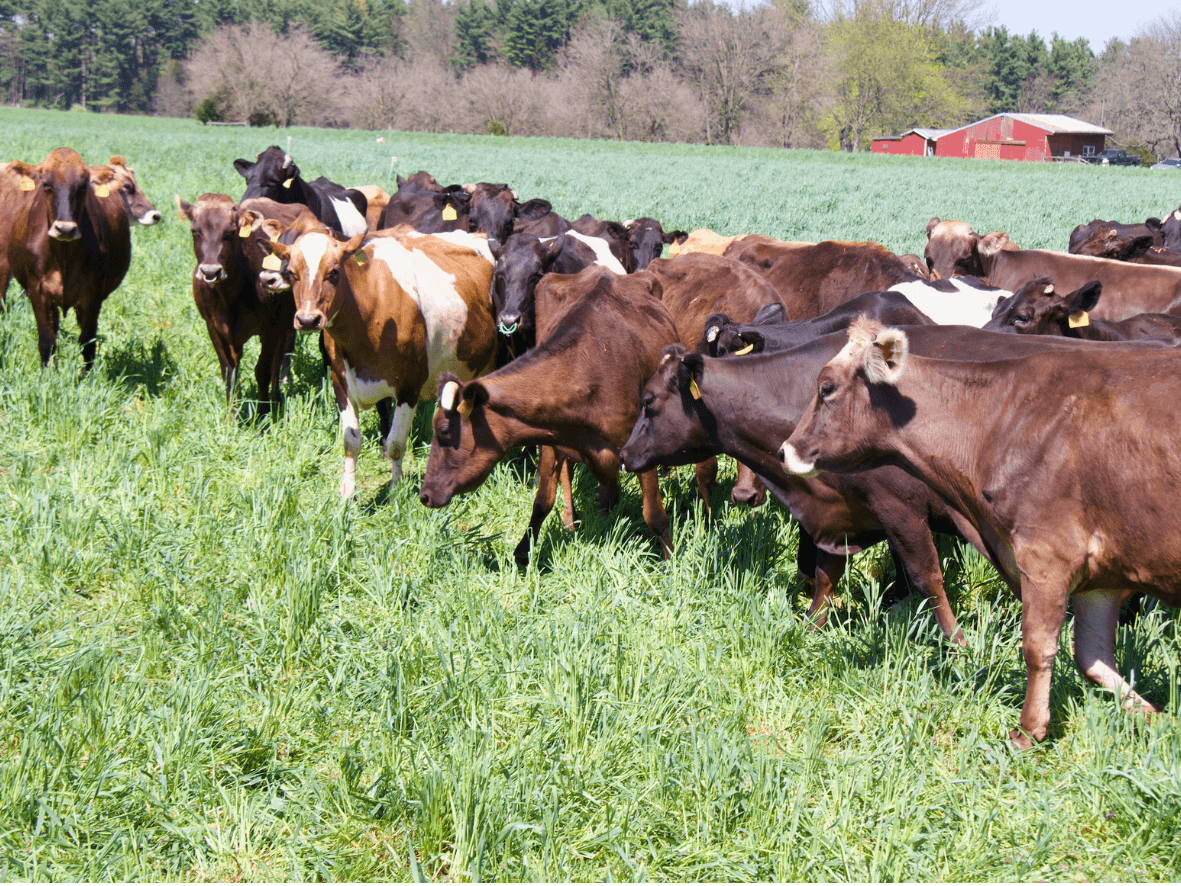
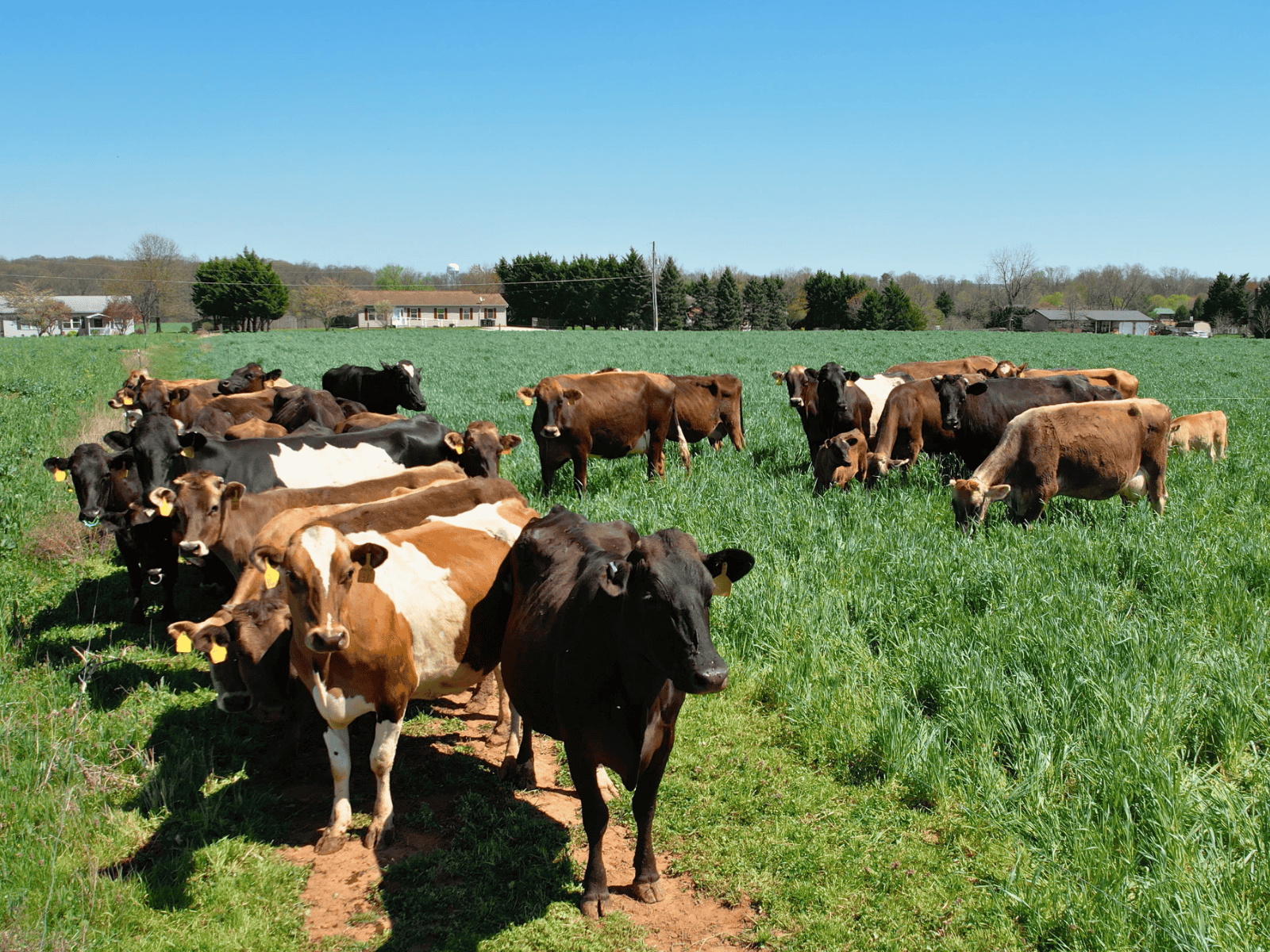
What exactly is 100% grass-fed milk? This type of milk comes from cows that spend their lives grazing on pasture and eating only natural grasses and forage. Unlike conventional dairy cows, they are never fed grain. Because their diet consists entirely of pasture plants, the milk they produce is considered 100% grass-fed.
If milk is labeled simply as “grass-fed” but not “100% grass-fed,” the cows may still receive some grain as part of their diet. The 100% label indicates that the cows’ diet comes exclusively from pasture sources, which is what sets this type of milk apart.
Is 100% Grass-Fed Milk Good For You?
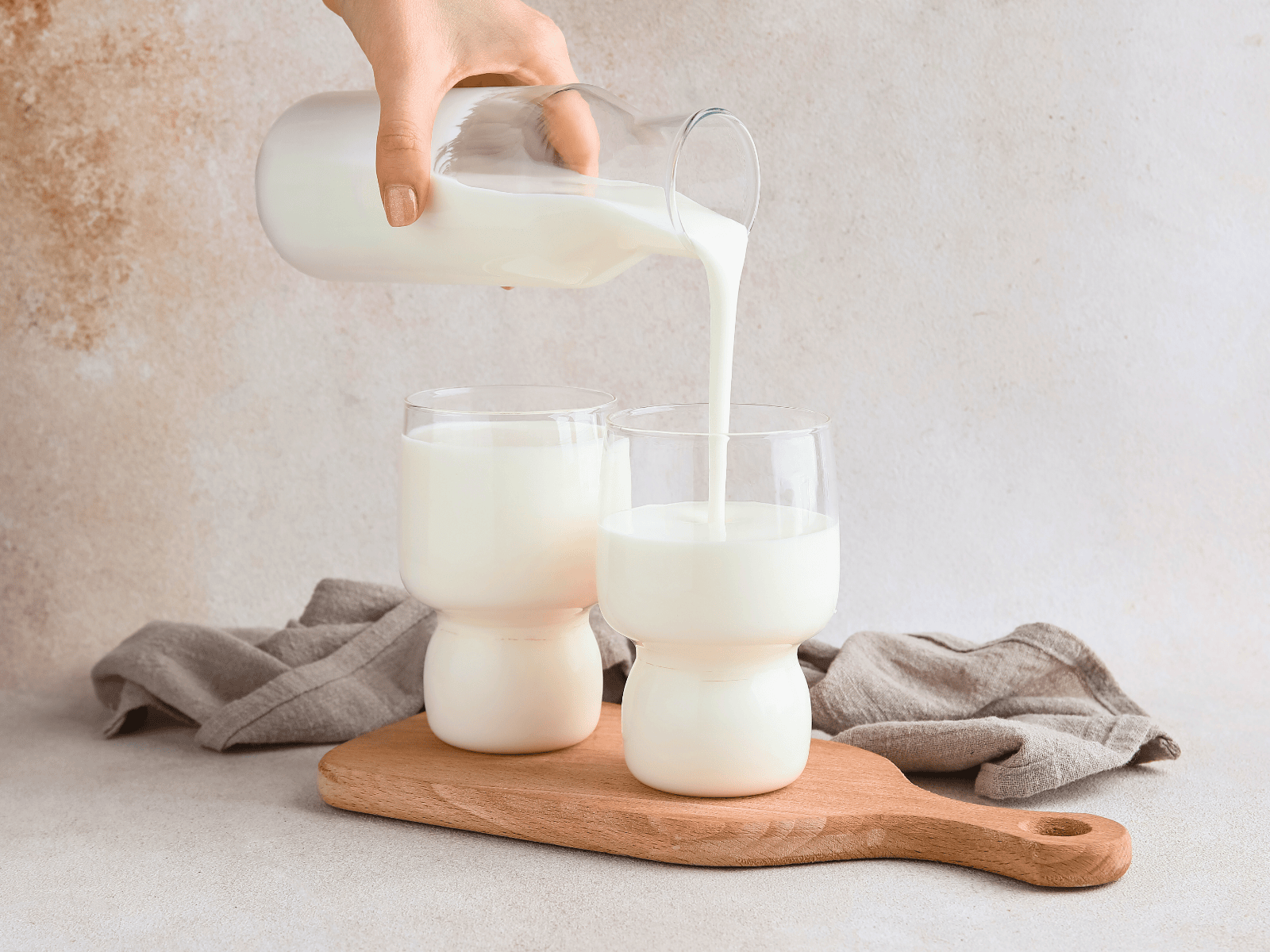
Yes, 100% grass-fed milk contains many beneficial nutrients. Before we consider the grass-fed advantages, let’s look at some of the benefits of milk in general. Milk contains high levels of calcium and protein, is a good source of magnesium and vitamins, including A, B12 and K2. It is often considered a helpful nutrient-dense source for weaned children under 2 years old.
*It is extremely important to note that if you have a milk allergy or are sensitive to lactose, milk will not be a good choice for you, and although there are some varieties of grass-fed milk that could work better for you, proceed with caution, with the help of your doctor.
Is Grass-Fed Milk Healthier Than Regular Milk?
Yes, 100% grass-fed milk has been proven to be a remarkably healthier choice when compared with regular milk from cows that were not 100% grass-fed.
Nutrition Facts of 100% Grass-Fed Milk Vs. Regular Milk
There are 3 significant benefits of consuming 100% grass-fed milk versus regular milk:
- More omega-3
- Less omega-6
- More CLA (Conjugated linoleic acid)
More Omega-3
Omega 3’s are healthy polyunsaturated fats lacking in many modern American diets today. The particular omega 3 found in 100% grass-fed milk is called ALA, which then converts to EPA and DHA after it is consumed. Omega 3 supports the body at the cellular level, particularly in your eyes and brain. Omega 3 also supports heart and endocrine health and lowers inflammation. It is a necessary fat for pregnant mothers to consume for healthy fetal development.
Less Omega-6
Less omega-6 in grass-fed milk, along with more omega-3 means a much improved omega 3:6 ratio, an important ratio that many Americans have dangerously skewed. Consuming foods with less omega-6 helps lower inflammation, supports a healthy gut, guards against allergies, particularly for babies in utero whose mothers eat less omega-6 foods, autoimmune disorders and asthma.
More CLA (Conjugated Linoleic Acid)
100% grass-fed milk has more CLA which helps maintain healthy blood pressure, has been shown to block the growth of some cancer cells, supports weight control and helps to regulate blood sugar.
Take a look at the table below for better clarity (each measurement is per 100 grams):
As you can see, grass-fed milk contains many nutrition benefits and is healthier than regular milk.
Why 100% Grass-Fed Milk Has Gained Popularity
100% grass-fed milk has gained popularity in recent years due to its excellent nutritional value, as we’ve reviewed above. Clear studies have proven that drinking 100% grass-fed milk has benefits that far exceed regular milk. 100% grass-fed milk also comes from green sustainable farming, which is always a good idea. Cows are also happier when they’re allowed to freely roam and graze outdoors and eat what they like naturally growing in the pasture. Unfortunately, there has also been a rise in food allergies and sensitivities in our country, encouraging more families to seek better gut-healthy food options.
Answers To More Questions About 100% Grass-Fed Milk
What Do 100% Grass-Fed Cows Eat in Winter?
If 100% grass-fed cows only eat grasses they forage, what do they eat in winter months when the grass has withered or is covered in snow? You may be surprised to hear that cows can still forage for grass even in winter and snow. However, farmers will often prepare dried or fermented grasses (silage) in advance, for their cows to be supplemented during the colder months when the pasture contains less grass.
Is 100% Grass-Fed Milk Also Organic?
100% grass-fed milk is not automatically organic. While organic cows must be pasture-raised for part of the year, they do not need to be fed grass 100% of the time. However, there are some brands that are both 100% grassfed and organic. Read on to the next point for some of those brand names.
What is Organic Milk?
Organic milk comes from cows that are fed 100% organic feed without pesticides. If you want to buy organic grass-fed milk, make sure you’re buying milk that certifies they are both labeled as 100% grass-fed and have a certified organic label. Some brands to look for include Organic Valley Grassmilk, Horizon Organic, Maple Hill Creamery, Hart Dairy, Alexandre Family Farm, Oasis Creamery – sold online at Swiss Villa for 100% grass-fed organic milk.
Which Is Healthier: 100% Grass-Fed or Organic Milk?
When we compare 100% grass-fed milk with organic milk that is not 100% grass-fed, we find that the grass-fed milk is the healthier choice. Grass-fed milk has an omega 6: omega 3 ratio that remains more favorable than organic milk. Grass-fed milk also appears to have higher CLA. So if choosing between organic and 100% grass-fed milk, and you’re looking for the higher nutrient product, choose 100% grass-fed.
Is 100% Grass-Fed Milk Also A2/A2?
Not necessarily. A2/A2 milk comes from heritage breed cows that carry the A2/A2 gene. Most cows carry A1/A2 genetics. A2/A2 is known for being easier on digestion than the other. While many grass-fed dairy farmers have heritage cows that carry the A2/A2 gene, it is not guaranteed. Here at Swiss Villa, our heritage breed cows are A2/A2 100% grass-fed, and we deliver the milk right to your door!
Is 100% Grass-Fed Milk Raw?
No, not always. Most grass-fed milk sold in stores will be pasteurized. Swiss Villa sells 100% grass-fed A2/A2 raw milk through our online store. Note that our raw variety is only available to those within Pennsylvania, for safety precautions.
100% Grass-Fed Milk Brands
Maybe you’ve decided you’d like to try 100% grass-fed milk in your diet, but you’re not sure which brands to buy. We can help you out! Not all grocery stores will carry grass-fed milk. Specialty stores will and some supermarkets. Conveniently, Swiss Villa sells 100% grass-fed milk and ships directly to your home. You don’t even have to get in the car! Other brand options to look for include Hart Dairy, Organic Valley, Maple Hill Creamery and Alexandre Family Farm.
Is Grass-Fed Milk Worth It?
We think so! 100% grass-fed milk has superior health benefits, even when compared with organic milk. We think there is something wholesome and healthful about returning to traditional farming the way it was done for thousands of years before us. Nature’s way is that cows eat grass and their milk is impacted by what they eat! A grass-fed diet enhances the milk, offsetting harmful omega-6:omega-3 ratios, building nutrients for the body, meanwhile being extra kind to the gut. We’d say 100% grass-fed milk is definitely worth it!
Buy 100% Grass-fed Milk From Swiss Villa
If you are health conscious and want to give your family the best ingredients, Swiss Villa is here to make it easy for you. All you have to do is go on our website and find the milk that works best for you, purchase, and wait for the cold package to arrive on your doorstep! We don’t think you’ll regret the choice to feed your family the good old fashioned way!