

Support Your Health With Low-PUFA Eggs
Eaten in many forms for breakfast and hidden in items like breaded foods, meatballs and baked goods, eggs are a regular part of many of our diets. However, if you’re searching for low-PUFA eggs, these are not as simple to find. In this blog you’ll learn about low-PUFA eating, benefits of low-PUFA eggs, and where to find them.
What does PUFA mean?
First of all, PUFA is an acronym that stands for polyunsaturated fatty acids, coined by biologist Dr. Ray Peat. He argued that PUFAs, such as seed and vegetable oils, weren’t the healthy alternative to saturated fats that some were saying they were, due to their molecular structures that easily break down in the body. Today people are becoming more interested in low-PUFA eating.
Why Eat Low-PUFA?
People commonly turn to a low-PUFA diet in an effort to support cell health, lower inflammation, and better manage their omega-6 to omega-3 fatty acid ratio.
Let’s take a quick look at the three types of important fats that your body will encounter:
- saturated fat
- monounsaturated fat
- polyunsaturated fat (PUFA)
See the graph below to get a better grasp of where these three different kinds of fat come from and what they do for our bodies.
| Type of fat | Main characteristics | Examples |
| Saturated fat | Used by the body for energy and cell structure. Consuming too much can lead to high cholesterol and increased risk of heart disease. | Butter, Dark Chocolate, Lard, Coconut, Cheese, Beef, Beef Tallow, Lamb, Fried foods |
| Monounsaturated fat | Used by the body for vitamin absorption, heart health and cell support.Can lower risk of heart disease and stroke. Lowers bad cholesterol, raises good cholesterol. | Cashews, Almonds, Olive oil, Avocado, Eel, Pesto, Herring, Peanuts, Peanut oil, Canola oil |
| Polyunsaturated fat | Used by the body to support the brain, nervous system and cells.Contains a higher omega-6:omega-3 ratio, which may increase inflammation. | Fatty fish, Flaxseeds, Chia Seeds, Fish oil, Walnuts, Sunflower oil, Corn oil, Soybean oil |
This chart shows us that a moderate amount of each type of fat has a positive part to play in our diet. As with many things, however, balance is key.
Why a Balanced Omega-3:Omega-6 Ratio Matters
The typical American diet contains an omega-3:omega-6 ratio of 1:17, which has been linked to high inflammation and chronic health conditions.
When our omega-3:6 ratio is in a healthy balance, say 1:4 versus 1:16, our chances of improved health increase.
Because omega-3 and omega-6 work in competition, they must be balanced. Omega-6 causes cells to produce molecules (often found in seed oils) which may lead to inflammation, potentially resulting in pain, swelling, and more. On the flip side, omega-3 fatty acids convert into molecules that support cardiovascular health and reduce inflammation. So when these two families of polyunsaturated fat are in balance, your risk for allergies, asthma, heart disease, and inflammation decreases.
What Are Low-PUFA Eggs?

Low-PUFA eggs have a lower content of polyunsaturated fatty acids, specifically linoleic acid (omega-6). Eggs are a direct representation of what hens have eaten. Therefore, those that are put on a diet that contains lower amounts of linoleic acid instead of soy or corn (high in omega-6 fatty acids) end up with a lower concentration of omega-6 in the yolk.
Eggs with a low PUFA profile come from pasture-raised chickens, which are birds that forage and roam freely instead of being caged inside a building. These birds are supplemented with feed with high-oleic oils, instead of conventional corn or soy feed. As a result, this lowers the dominance of omega-6 fatty acids in the eggs they produce.
What is the healthiest type of egg?
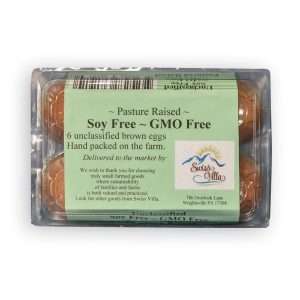
As a small collection of Amish and Mennonite farmers, at Swiss Villa we agree that the healthiest type of egg comes from pastured chickens that have the opportunity to roam freely and eat grass and forage for critters (such as bugs and insects) like the good old days. In addition to the freedom to forage, these chickens are supplemented with a soy-free, corn-free, non-GMO diet, which in turn produces a superior low-PUFA egg.
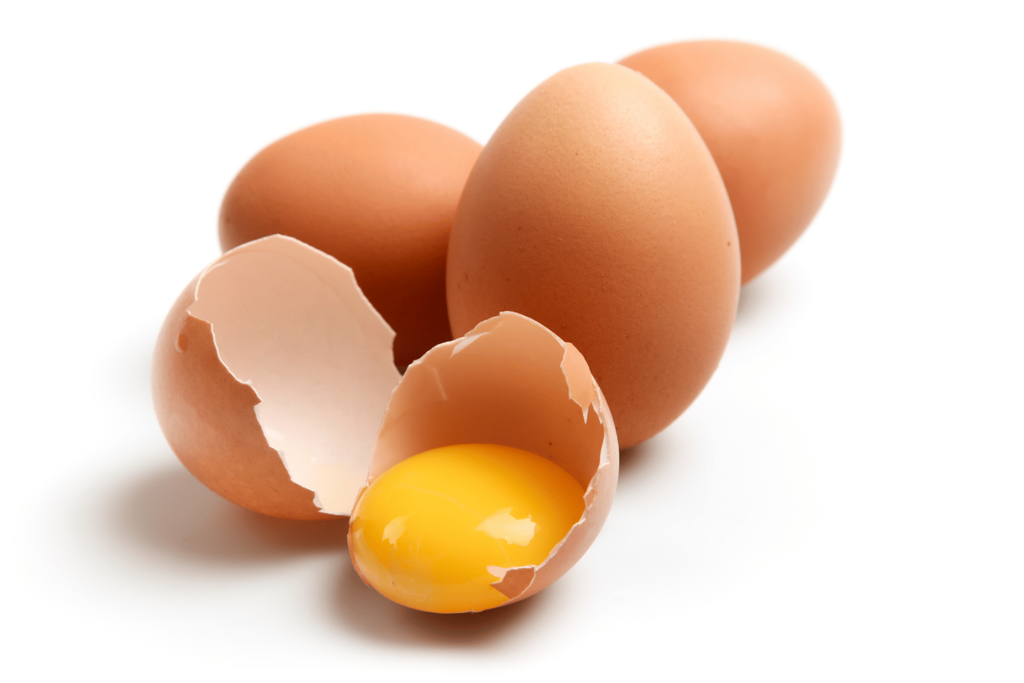
Because the mainstream poultry industry keeps chickens in cages and feeds them a diet of soy and corn, the yolks of these eggs are consistently the same color. Not with ours. Since our chickens are given the chance to forage, their yolks vary in shades based on their diet. Foraging on plants gives the yolks a deep orange hue because of the beta-carotene in grass/plants. On the other hand, bugs and insects do not contain beta-carotene, leading to a lighter yolk. This is why yolk colors of pastured eggs are often inconsistent. After all, chickens have different feeding patterns from day to day and season to season.
What are the benefits of eating eggs with reduced polyunsaturated fatty acids?
There are many benefits to eating eggs with lower polyunsaturated fatty acids (PUFA):
- Improved Hormonal Balance
- More balanced Fat ratio
- Lower Oxidation
Improved Hormonal Balance
Choosing low-PUFA eggs gives consumers less phytoestrogens, which can be hormone disrupting compounds.
More balanced Fat Ratio
By choosing low-PUFA eggs, you are receiving a healthier balance of fatty acids, you lessen your chances of allergies and inflammation and autoimmune diseases.
Lower Oxidation
Low-PUFA eggs have lower oxidation, which lowers inflammation and increases cell health.
Where To Buy Low-PUFA Eggs

At Swiss Villa, transparency and honesty are at the core of each of our Mennonite and Amish farmers scattered throughout the rolling hills of Lancaster County. We sell low-PUFA eggs that are GMO-free, soy-free, corn-free, and pastured-raised.
If you wish to shop locally, we strongly recommend checking out a local farm and learning how their hens are raised. Ask the farmer if you could visit the farm to witness their hens foraging. Or visit your local farmers’ market and search for vendors selling low-PUFA eggs.
Are Low-PUFA Eggs Shipped?
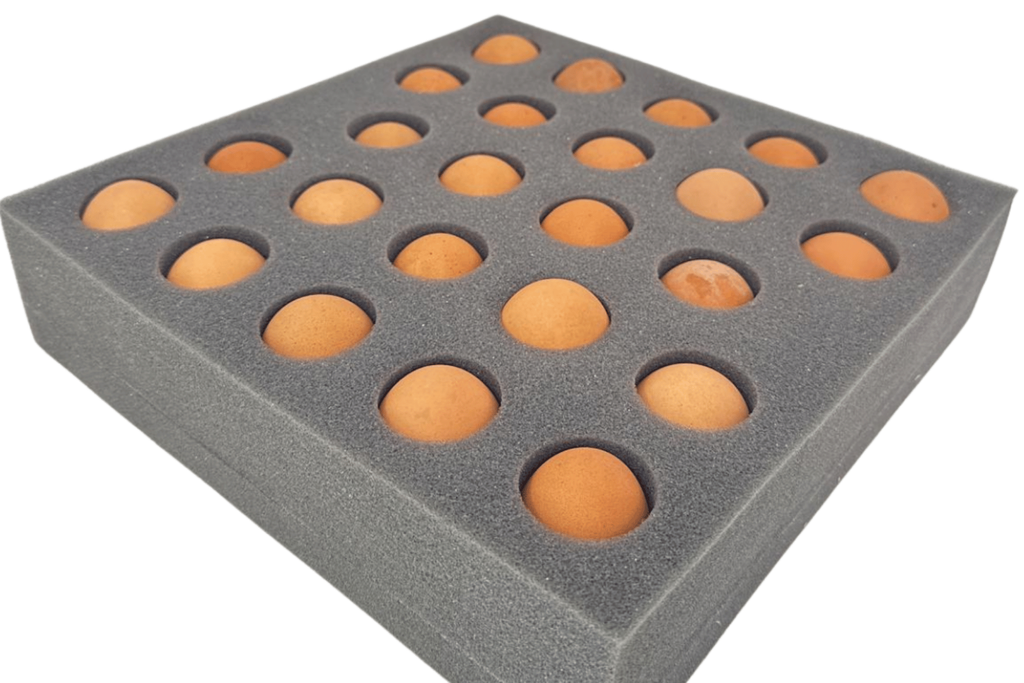
Yes. Did you know that even if you live in an urban center that lacks local access to low-PUFA eggs, you don’t have to miss out? At Swiss Villa we are thrilled to offer low-PUFA eggs that can be shipped directly to your house. So no matter where you live, you can benefit from low-pufa eggs by ordering from our online store.
Conclusion
We care about healthier eating that matches what many generations ate before us. We know you do too. That’s why we’re thrilled to offer you our pastured low-PUFA eggs.